Volver a BLOX ESL
Demo 1 de 3
Demo de juego — Godot
Godot 4.6 + GDExtension + blox_core.dll. La demo carga player.blox, ejecuta FUNCION PRINCIPAL, llama update(dt, entrada) por frame y aplica la TABLA devuelta por BLOX.
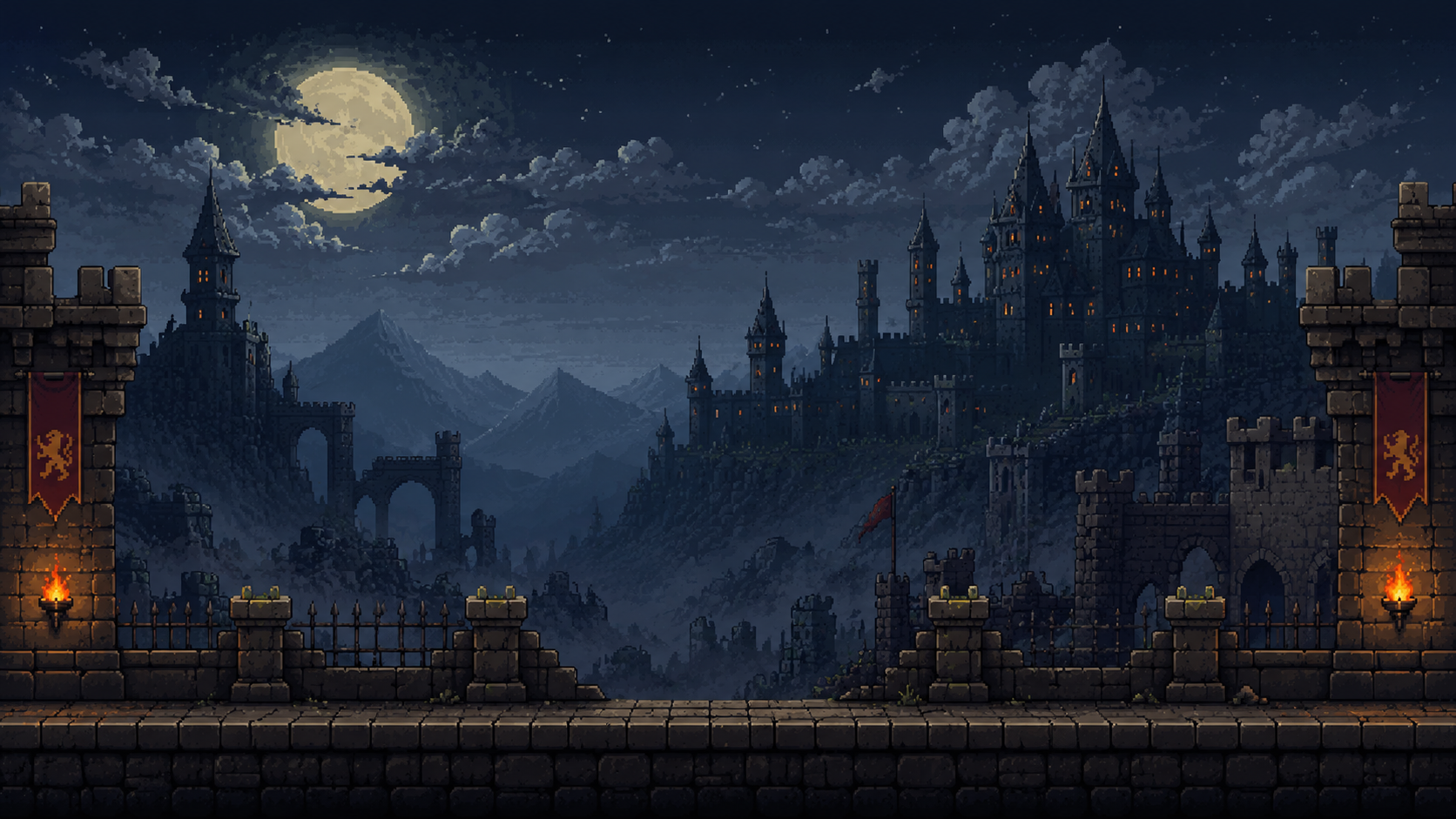
Assets de la demo










Juego demo
1
Nivel 1
- • Poción sobre un pilar que otorga magia al jugador.
- • Gárgolas que despiertan cerca del jugador y disparan veneno.
- • Disparo del jugador cuando tiene magia; impacta y las devuelve a piedra.
- • Transición al nivel 2 al derrotar todas las gárgolas y avanzar al borde.
2
Nivel 2
- • Gemas coloridas (amarilla, cian, roja, púrpura) para recoger.
- • Gemas negras opcionales que despiertan una amenaza adicional y activan el segundo enemigo.
- • Palanca que abre la puerta al recoger todas las gemas requeridas.
- • Enemigos que persiguen al jugador con lógica escrita en BLOX.
- • Victoria al cruzar la puerta abierta.
API y snippets
Ejemplos reales tomados de main.gd y player.blox.
1. Godot carga BLOX y llama update()
main.gdgdscript
var blox := BloxRuntime.new()

if not blox.is_ready():
    push_error(blox.get_last_error())
    return

var script_path := ProjectSettings.globalize_path("res://scripts/player.blox")
blox.load_file(script_path)
blox.run_main()
blox.call_function("init")

# En el _process(delta):
blox.set_host_state(make_host_state())
var state = blox.call_function(
    "update",
    [delta, make_input_state(mode, dir.x, dir.y, attack)]
)
apply_entity_states(state)
2. BLOX enruta update() entre niveles
player.bloxblox
FUNCION update(dt, entrada)
INICIO
    TABLA estado_juego_iniciado, estado_nivel_actual
    NUMERICO nivel_actual
    LOGICO juego_iniciado

    estado_juego_iniciado = GODOT_ESTADO("juego_iniciado")
    estado_nivel_actual   = GODOT_ESTADO("nivel_actual")

    nivel_actual = 1
    juego_iniciado = estado_juego_iniciado[1].logico

    SI (juego_iniciado == VERDADERO) ENTONCES
        nivel_actual = estado_nivel_actual[1].numero
    FIN_SI

    SI (nivel_actual == 1) ENTONCES
        RETORNAR update_nivel_1(dt, entrada)
    FIN_SI

    SI (nivel_actual == 2) ENTONCES
        RETORNAR update_nivel_2(dt, entrada)
    FIN_SI

    RETORNAR update_nivel_1(dt, entrada)
FINAL_FUNCION
3. BLOX devuelve estados al host
player.bloxblox
AGREGAR(estados, {id = "__sonido",  sonido = "player_hit"})

SI (jugador[1].vida < 1) ENTONCES
    game_over = VERDADERO
    AGREGAR(estados, {id = "__sonido",  sonido = "game_over"})
    AGREGAR(estados, {id = "__mensaje", texto = "Sin vidas.", visible = VERDADERO})
FIN_SI
BLOX no reproduce audio ni dibuja: pide al host que lo haga. El host aplica el cambio en su propio motor.
Superficie API pública
BloxVMBloxRuntimeblox_vm_create()blox_vm_load_file()blox_vm_run_main()blox_vm_call()blox_vm_register_native()load_file()run_main()call_function()set_host_state()get_last_error()GODOT_CREAR_ENTIDAD()GODOT_ESTADO()TABLABloxValueResumen
El motor Godot mantiene render, audio y escena. Toda la lógica de gameplay (movimiento, disparo, transición de nivel, victoria/derrota) vive en
player.bloxy se puede editar sin recompilar la extensión C.